How the 2026 Uprising Began
For 47 years, many Iranians have lived under severe political repression, loss of basic civil liberties, and economic ha…
Learn more
The Uprising and Its Aftermath
For 47 years, many Iranians have lived under severe political repression, loss of basic civil liberties, and economic ha…
Leaked internal Ministry of Health documents indicate over 36,500 deaths during the crackdown. Data suggests that around…
The crackdown involved the IRGC, Basij, and FARAJA units.
At least 42,300 people were arrested.
Medical facilities were reportedly turned into extensions of repression.
The January 8 internet shutdown prevented documentation of events.
The scale of the events has triggered international action.
Across protests inside Iran and rallies worldwide, one name is consistently chanted: Reza Pahlavi.
A visible segment of protesters and diaspora voices are calling for military intervention by the United States to stop t…
On February 14, 2026, over 1.2 million Iranians worldwide demonstrated for freedom and regime change.
Click on a section below to expand and read the full details.
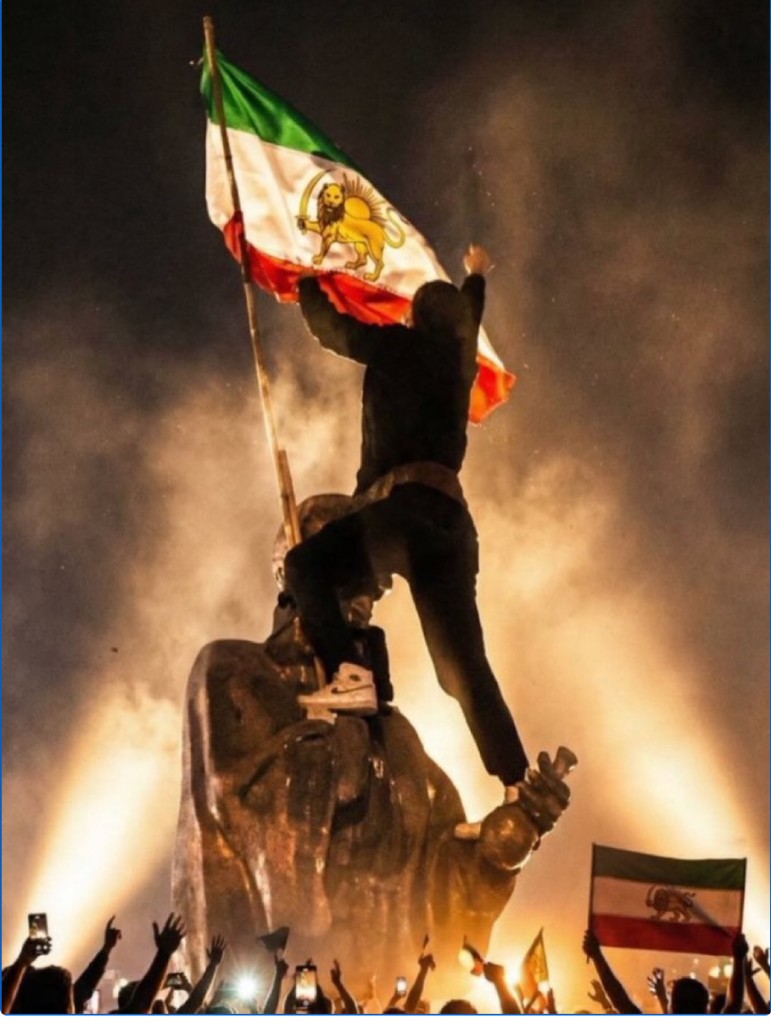
For 47 years, many Iranians have lived under severe political repression, loss of basic civil liberties, and economic hardship. Critics argue that national wealth has been diverted toward regional proxy conflicts and foreign confrontations rather than domestic welfare, while dissent at home has been met with force.
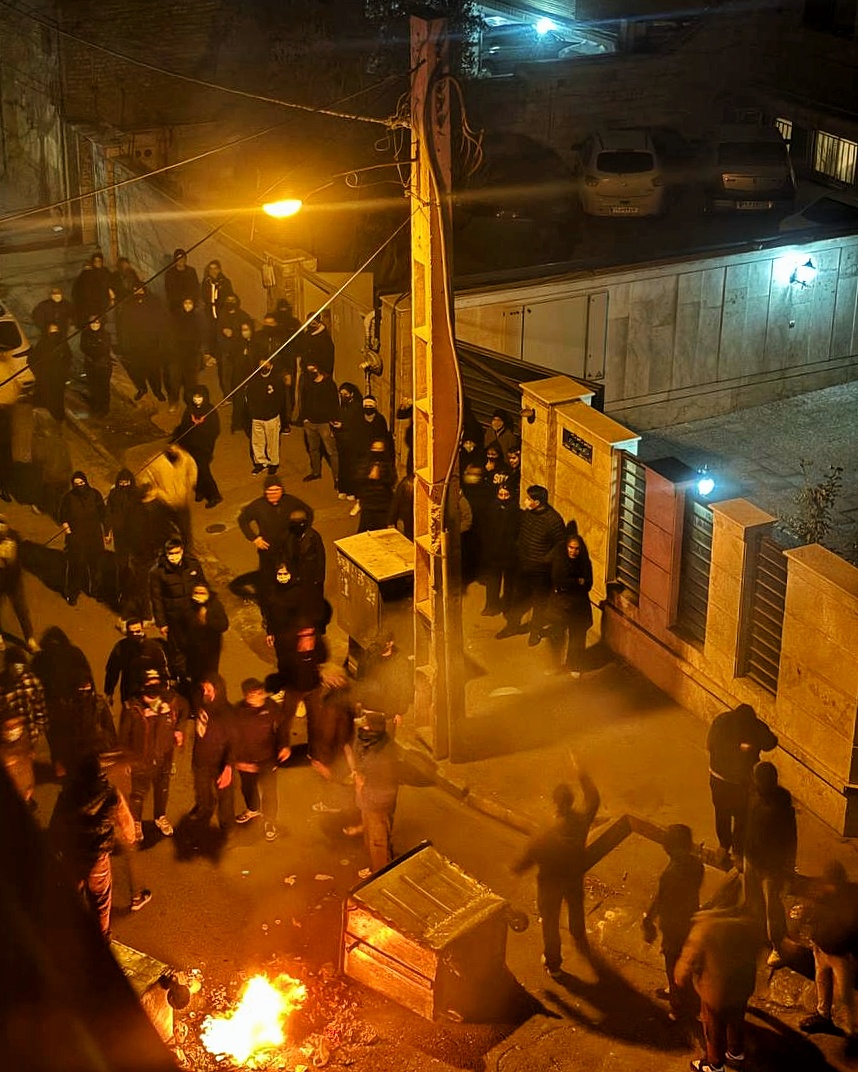
In late December 2025, protests began in Tehran's Grand Bazaar after the rial lost 40% of its value. What started as economic frustration rapidly transformed into a nationwide uprising across all 31 provinces. Within days, the demands shifted from economic relief to calls for the end of the Islamic Republic.
On January 3, the Supreme Leader labeled protesters "rioters," setting the stage for a violent response. On January 8, the government shut down the internet and telecommunications across the country, creating an information blackout. During January 8–9, security forces carried out the deadliest phase of the crackdown. By January 12, the state imposed curfews, checkpoints, and mass arrests to suppress the movement.
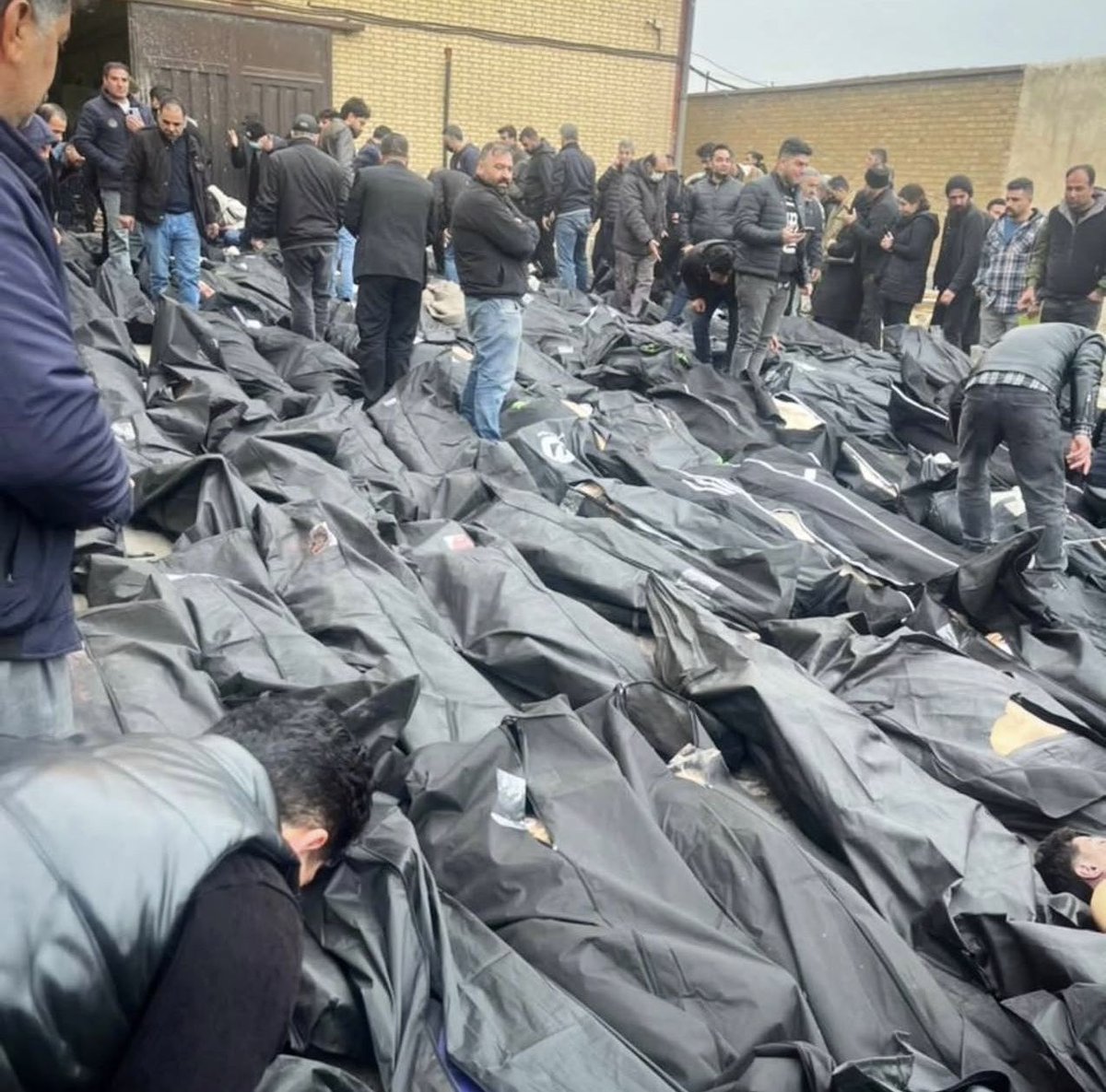
Leaked internal Ministry of Health documents indicate over 36,500 deaths during the crackdown. Data suggests that around 30,000 people were killed in just 48 hours (January 8–9).
Independent investigations show a vast gap between official figures and verified documentation.
Forensic reviews show duplicated IDs and major inconsistencies in the government's published list.
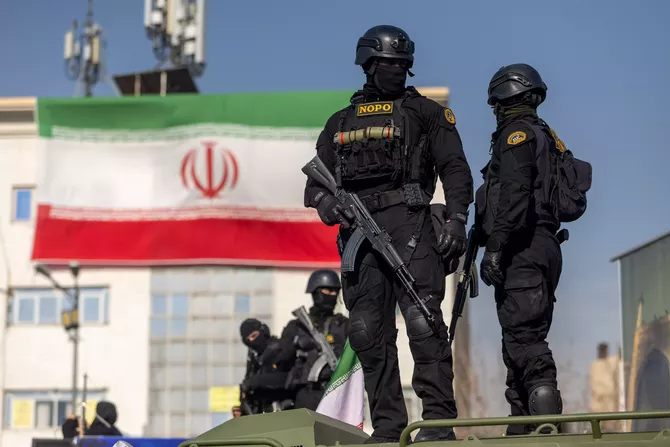
The crackdown involved the IRGC, Basij, and FARAJA units.
Security forces fired from rooftops of mosques and police stations into crowds using rifles, shotguns with metal pellets, and live ammunition aimed at the head and torso. Victims include individuals as young as 13 years old.
A clinical pattern of targeted eye injuries was documented, indicating deliberate attempts to blind protesters and cause permanent disability.
There are also numerous reports from families and activists describing sexual abuse of detainees, including minors. Some families reportedly give birth-control pills to detained girls out of fear of assault while in custody. These reports are widely circulated among communities and activists, though often difficult to independently verify due to the information blackout.
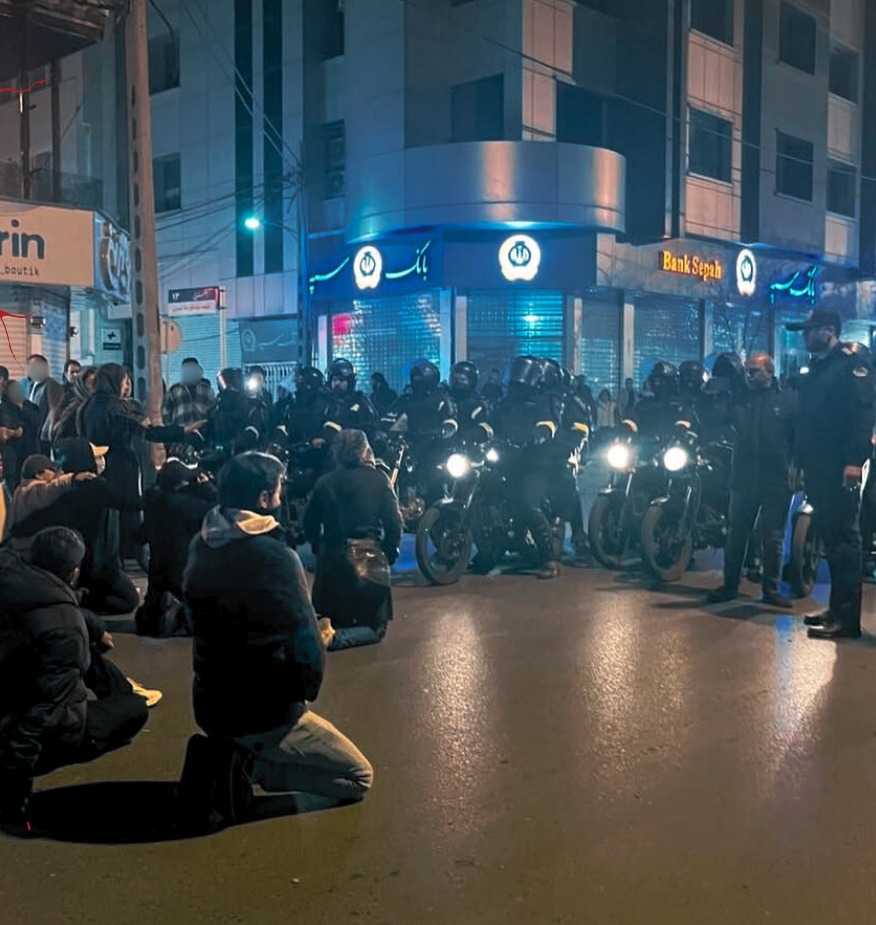
At least 42,300 people were arrested.
Students, journalists, lawyers, doctors, and children were detained. Security forces conducted nighttime home raids, workplace abductions, and removed wounded protesters directly from hospital beds.
Many detainees are held incommunicado, increasing risks of torture, disappearance, and sexual violence.
Medical facilities were reportedly turned into extensions of repression.
Witnesses describe a "finishing shot" pattern where wounded protesters were allegedly executed after being taken into custody from hospitals.
Unconfirmed reports from nurses inside Iran state that in some cases, IRGC forces allegedly moved wounded individuals into hospital morgue freezers next to the deceased, forced medical staff out of the facility under threat, and when staff returned the following day, the wounded were found dead. These accounts remain difficult to independently verify but are repeatedly reported by medical sources inside the country.
Reports also document suspicious injections given to detainees. A 16-year-old girl fell into a coma after such an injection, with tests indicating poisoning.
At Kahrizak, Amnesty identified over 200 body bags at a temporary morgue, with video evidence showing the number rising further. At least one body showed signs of having been executed while bound.
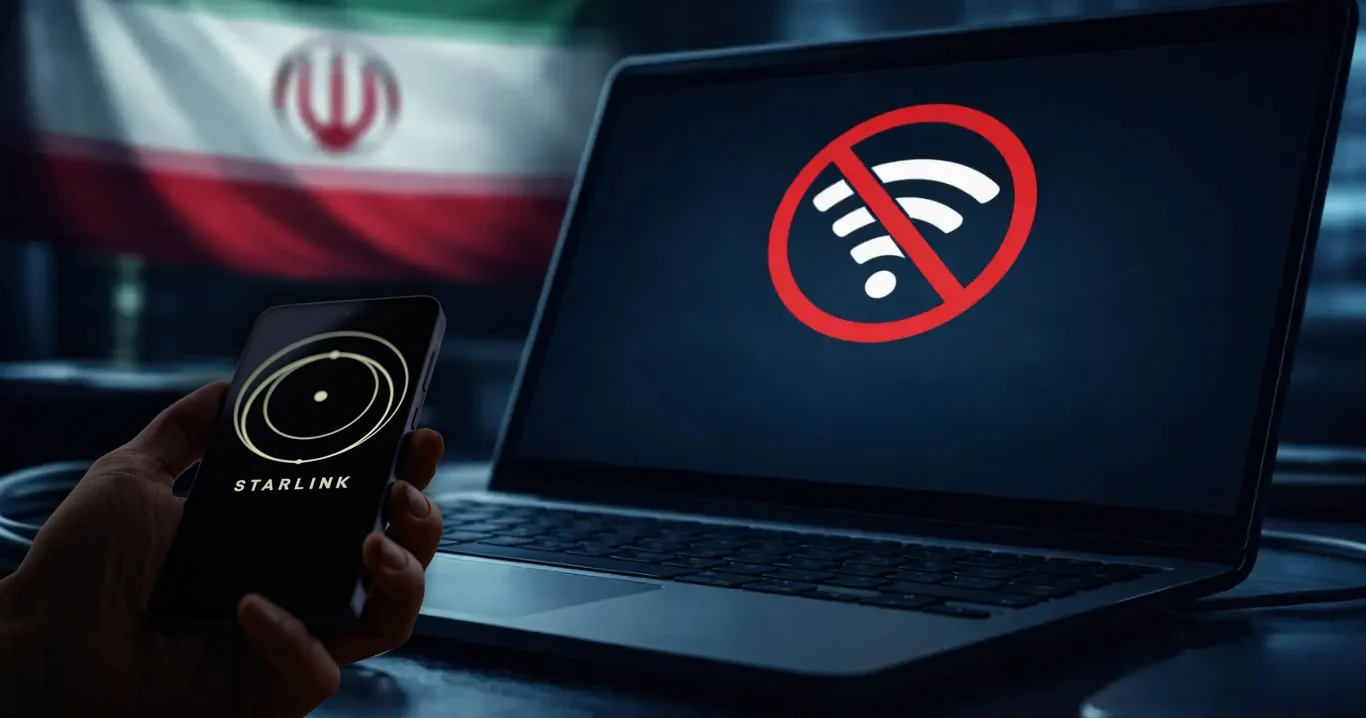
The January 8 internet shutdown prevented documentation of events.
During the blackout, state media broadcast coerced confessions while suppressing evidence of mass casualties.
Forensic analysis shows that fewer than 100 names overlap between the government's list and independently verified names, suggesting thousands of victims were omitted.
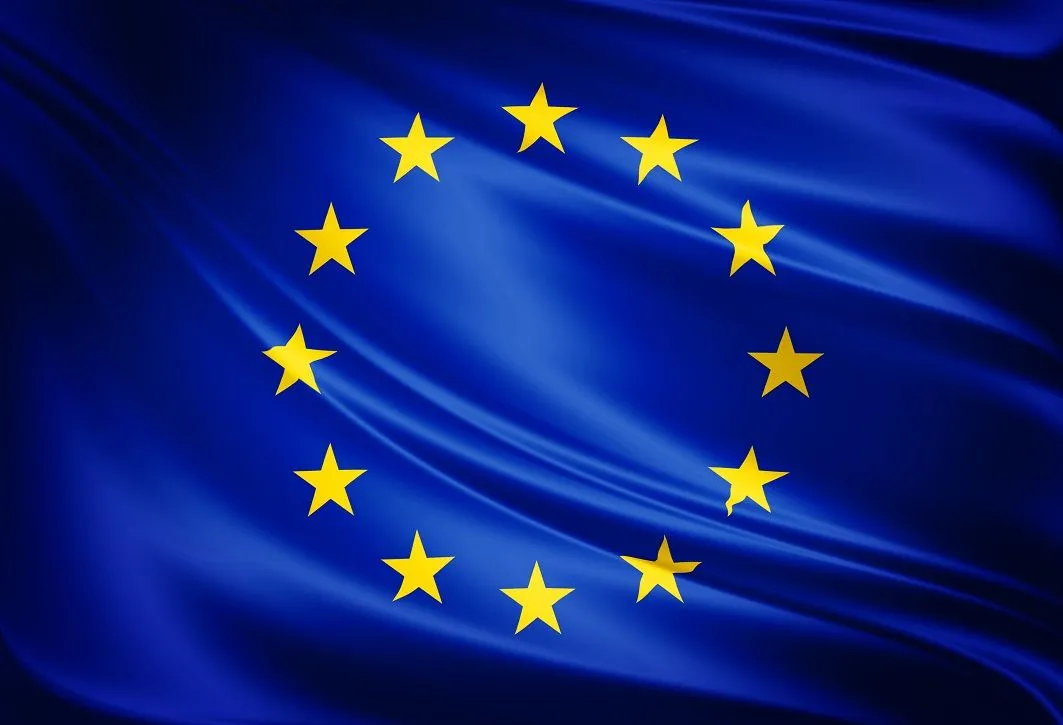
The scale of the events has triggered international action.
The UK sanctioned key Iranian officials. The US increased its naval presence. Canada and other nations are being urged to push for accountability.
Human rights organizations recommend:
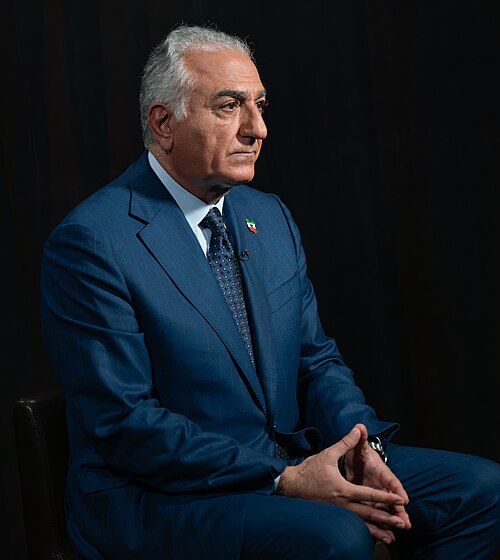
Across protests inside Iran and rallies worldwide, one name is consistently chanted: Reza Pahlavi.
For many Iranians, he represents a recognizable and unifying figure for a temporary transition period until a national referendum can determine the future political system. Supporters emphasize this role as transitional leadership toward free elections and democratic choice.
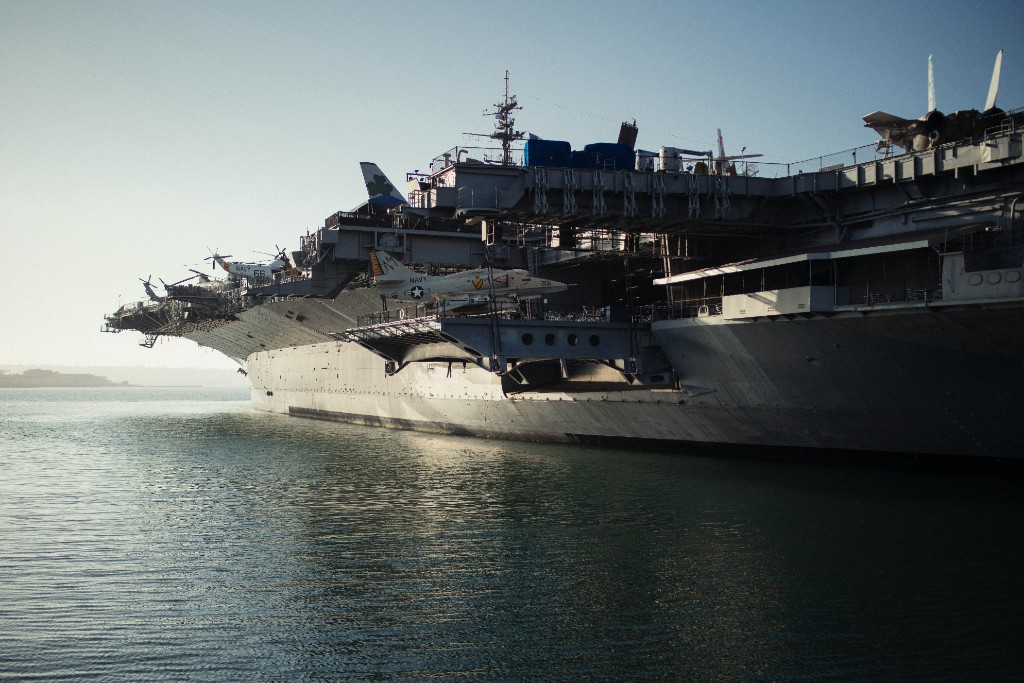
A visible segment of protesters and diaspora voices are calling for military intervention by the United States to stop the violence and protect civilians.
These calls reflect the belief among some that internal resistance alone cannot withstand the scale of state force being used, and that external intervention may be necessary to prevent further loss of life and enable a safe transition.
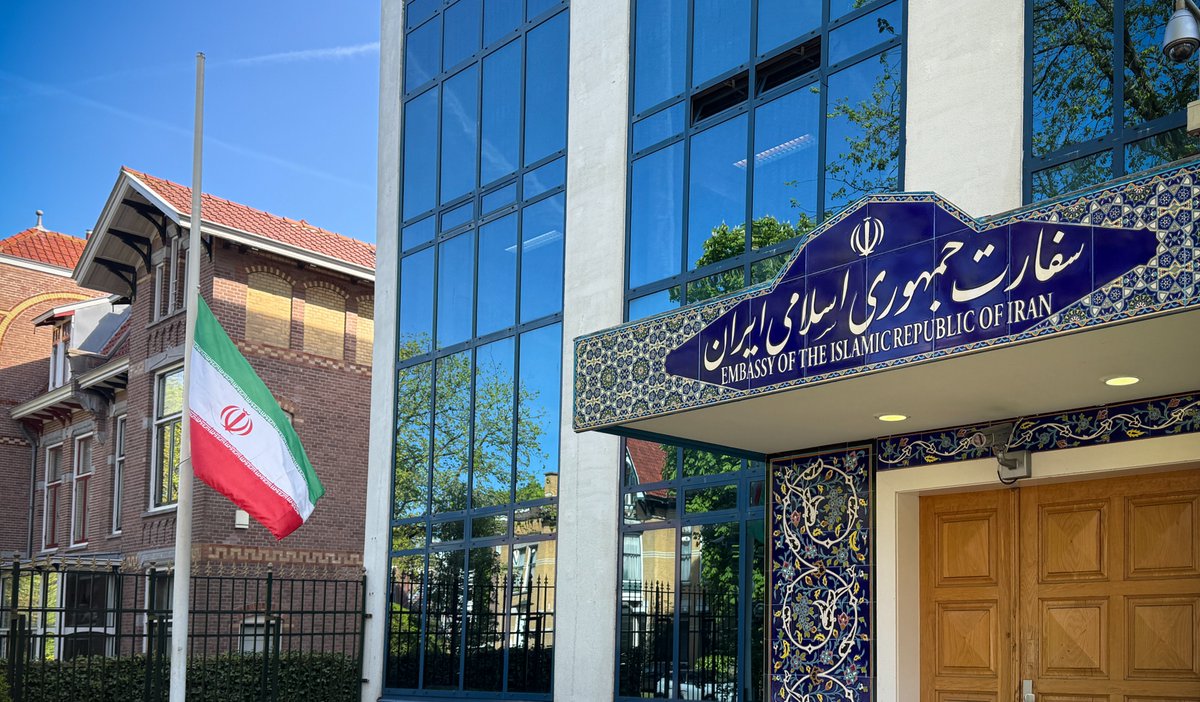
On February 14, 2026, over 1.2 million Iranians worldwide demonstrated for freedom and regime change.
Following this unprecedented Global Day of Action, the movement continues through sustained pressure on governments and institutions. Key actions include closing regime embassies, cutting diplomatic ties, and implementing comprehensive sanctions.